
Few things wreck sleep like bed bugs. You wake up itching, check the sheets at 2am and start wondering whether the whole house is affected. The good news is that a well prepared home makes professional treatment far more effective, and you’ll sleep properly again sooner.
We’ve spent over five years treating bed bugs in homes, apartments and staff accommodation across Muscat Governorate and Al Batinah. This guide focuses on one thing most people get wrong, which is what to do before, during and after the treatment visit.
Why Preparation Decides Whether Treatment Works
Bed bugs hide in seams, joints, screw holes and folds that a technician can only treat if they can reach them. Cluttered rooms, bagged clothes left in corners and beds pushed against walls give bed bugs safe places that treatment never touches.
The US Environmental Protection Agency publishes a detailed guide to preparing for bed bug treatment, and its advice matches what we see in Omani homes. Good preparation cuts the number of follow up visits and stops bugs spreading into clean rooms.
Confirm It Really Is Bed Bugs First
Before preparing anything, make sure you’re dealing with bed bugs. Rashes from heat, mosquito bites and fleas can look similar, and preparing for the wrong pest wastes time and money. A quick inspection settles the question within minutes.
Signs on the Mattress and Bed Frame
Look along mattress seams, piping and labels for small dark spots, pale shed skins and tiny cream eggs. Check the joints and screw holes of the bed frame and headboard too. A sweet, musty smell in a heavily infested room is another common sign.
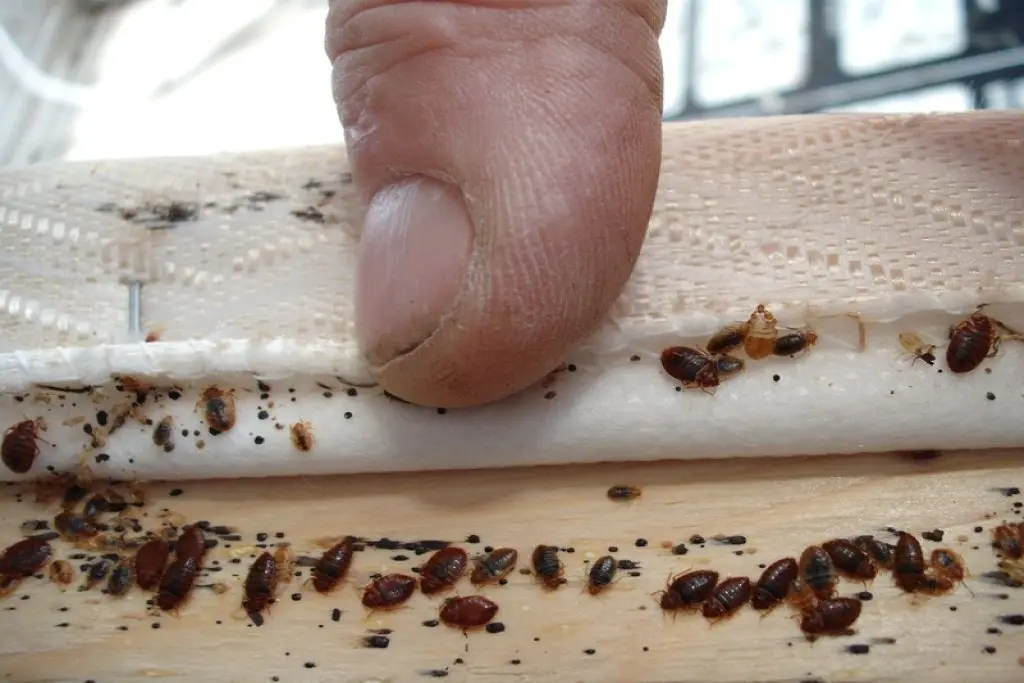
Bites That Appear Overnight
Bed bug bites often appear in a line or small cluster on arms, neck and legs after sleeping. Not everyone reacts, so one person may have bites while their partner has none. Bites alone don’t confirm bed bugs, which is why checking the bed matters.
Our main bed bug control guide for Oman covers identification and health concerns in more depth. Here, we’ll stay focused on getting your home ready, with a clear checklist you can follow room by room before the technician arrives.
The Day Before Treatment
Most preparation happens the day before your appointment. Work room by room, starting with the bedroom where bites happen. Don’t move furniture or belongings into other rooms, because that can carry bed bugs into areas that were clean.
Bedding, Curtains and Clothes
Strip all bedding, pillow covers and curtains, then wash them on the hottest setting the fabric allows and dry them on high heat. Seal clean items in fresh plastic bags until treatment ends. Clothes from wardrobes near the bed need the same handling.
Declutter Without Spreading Bugs
Clear items from under the bed, bedside drawers and wardrobe floors. Bag anything you’re throwing away inside the room, seal it tightly, and take it straight outside. Dragging an infested item through the house is one of the fastest ways to spread bed bugs.
Pull Furniture Away From Walls
Move the bed, sofa and wardrobes a short distance from walls so the technician can reach skirting boards, sockets and the backs of furniture. Leave drawers empty and slightly open. These small steps make the treatment noticeably more thorough.
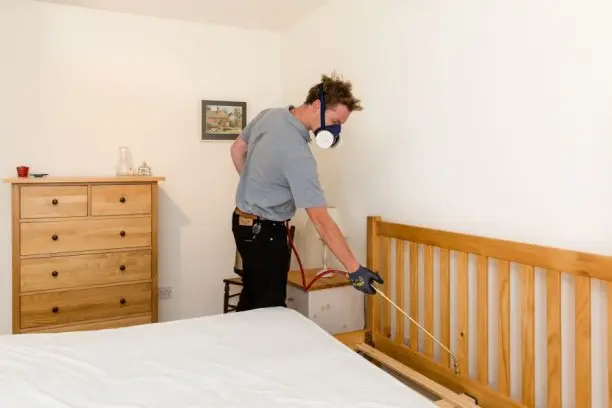
What to Expect During the Visit
The technician first inspects to confirm where activity is heaviest. Treatment then covers mattress seams, bed frames, headboards, sofa joints, skirting boards and other harbourage points. Products are applied according to their labels, and the method depends on the room and the level of infestation.
Expect to stay out of treated rooms for a set period. Children, pets and anyone with breathing problems should stay away until the technician says it’s safe to return. Our bed bug service page explains the full treatment process step by step.
After Treatment and Getting Back to Sleep
You don’t need to sleep in another room once treated rooms are safe to use. In fact, moving to a different bedroom can draw bed bugs toward a new area. Sleeping in your own bed helps the treatment reach any bugs that come out to feed.
Vacuum Carefully and Keep Inspecting
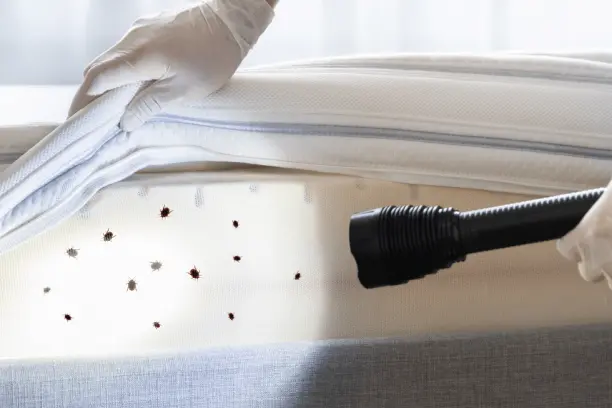
Vacuum mattress seams, carpets and furniture joints gently after the waiting period, then empty the vacuum into a sealed bag outside. Check the bed every few days. Seeing a few bugs in the first week is normal as eggs hatch and contact treated surfaces.
Use Mattress Encasements
A good quality, zipped mattress and box spring encasement traps any remaining bugs inside and makes future checks much easier. Choose one designed for bed bugs, with a fine zip that closes fully. Keep it on for at least a year.
Keep the Follow Up Appointment
Bed bug eggs can survive a single treatment, so the follow up inspection is essential. Skipping it is the main reason infestations return. Your technician will check activity, treat any remaining spots and tell you when the problem is under control.
Sofas, Carpets and Upholstery
Bed bugs often spread from beds into sofas, especially in living rooms where people nap. Treated sofas and carpets can then be cleaned to remove debris and stains. Our sofa cleaning and carpet cleaning teams can handle this after the treatment period ends.
Avoid steam cleaning or washing treated furniture before your technician confirms it’s fine. Cleaning too early can remove the treatment before it has done its job, which may lead to extra visits and a longer wait before you’re sleeping comfortably again.
Preparation Mistakes That Slow Results
The most common mistake is spraying supermarket insecticides before the professional visit. These sprays often push bed bugs deeper into walls and nearby rooms, making them harder to reach. Leave the treatment to the technician and focus your energy on preparation.
Throwing out mattresses too quickly is another costly mistake. Many mattresses can be treated and encased instead of replaced. Carrying an infested mattress through stairwells and lifts can also spread bed bugs to neighbours, which is a real problem in apartment buildings.
Apartments and Shared Housing Need Extra Care
In apartment blocks and staff accommodation, bed bugs move between rooms through shared walls and belongings. If neighbours report bites too, coordinated treatment across several units gives far better results. Our guide to pest control in Seeb for villas and apartments explains why.
Building managers should tell residents about preparation steps before the visit. A written checklist shared with every room or flat saves time on the day and makes sure no unit becomes a hiding place that restarts the infestation.
An Example From a Family Apartment
Imagine a family in a two bedroom flat who notices bites after a relative visits with luggage. They try a supermarket spray, and within two weeks bites appear in the children’s room as well. The problem has now spread to a second bedroom.
A sensible plan starts with inspection of both bedrooms and the sofa. The family washes bedding on high heat, bags clothes and pulls furniture from walls. After treatment, mattress encasements go on and a follow up visit two weeks later confirms activity has dropped.
Book Bed Bug Treatment With World FPC
World FPC has treated bed bugs for over five years across Muscat Governorate, Al Batinah North and South, and Al Buraimi. You can check our Sohar base, opening hours and customer reviews on our Google Business Profile before booking.
We’ll send you a clear preparation checklist when you book, explain each step on the day and keep the follow up appointment on schedule. That way you’re not guessing what to do next, and the whole household can get back to normal sleep faster.
Frequently Asked Questions
How long before treatment should I start preparing?
Start the day before your appointment. Washing and drying bedding, bagging clothes and clearing under the bed usually takes a few hours for one bedroom. Larger homes or several affected rooms may need more time, so plan ahead once your visit is confirmed.
Do I need to throw away my mattress?
Usually not. Most mattresses can be treated and then covered with a bed bug encasement. Replacement only makes sense when a mattress is badly damaged or torn. Your technician will advise after inspecting it, so don’t discard anything before the visit.
Can I sleep in my bed after bed bug treatment?
Yes, once the technician confirms the room is safe to use. Sleeping in your own bed is actually helpful, because bugs that come out to feed will cross treated surfaces. Moving to another room can spread them into areas that were clean.
Why am I still seeing bed bugs after treatment?
A few bugs in the first one to two weeks is normal, since eggs hatch after the first treatment. That’s why the follow up visit matters. If numbers stay high after the follow up, your technician will check for missed hiding spots and treat again.
Should I wash clothes that weren’t near the bed?
Focus first on bedding, curtains and clothes stored in the affected room. Items kept in rooms without any signs usually don’t need washing. Your technician will tell you which rooms to include after the inspection, so you don’t waste time washing the whole house.
Is bed bug treatment safe for children?
Treatment is applied according to product labels, and families are told how long to stay out of treated rooms. Children and pets should return only when the technician says it’s safe. Mention any allergies or health concerns when booking so the method suits your home.
Get Your Home Ready and Sleep Well Again
If bites keep waking you up, don’t wait for the problem to spread to another room. Send us a photo of the bites or the marks on your mattress on WhatsApp, and we’ll confirm the next step and share a preparation checklist.
Call or WhatsApp World FPC on +968 7739 9755, or book through our free quote form. Tell us how many rooms are affected and your area, and our team will arrange an inspection at a time that suits you.