Barka sits between the sea and some of the busiest farmland in Al Batinah South. Date palms, vegetable plots, livestock pens and village homes stand close together, and that mix gives rats and mice almost everything they need. Food, water and shelter are rarely far away.
We’ve spent over five years handling rodent problems across Al Batinah and Muscat Governorate. This guide explains why rodents settle in Barka properties, how to recognise the early signs, and what proper rodent control in Barka should involve for both farms and family homes.
Why Rodents Thrive Around Barka
Rodents follow food and shelter. In Barka, farms provide grain, fruit and animal feed, while palm crowns and storage sheds offer safe nesting spots. When harvests end or water channels dry up, rodents move toward nearby houses and shops in search of new supplies.
Farms, Palms and Animal Feed
Roof rats are excellent climbers and often nest high in date palms, then travel along walls and cables to reach roofs. Norway rats prefer burrows near irrigation channels and feed stores. House mice settle inside buildings, hidden in walls, cupboards and stored goods.
Coastal Homes, Markets and Waste
Near the coast and around busy market areas, waste bins and food stalls attract rodents at night. Older homes with gaps in roofs and doors let them in easily. Once inside, rodents breed quickly, so a few sightings can become a real infestation within weeks.
Signs You Have Rats or Mice
Rodents are mostly active at night, so you’ll often notice their traces before seeing the animals themselves. Spotting these signs early keeps treatment simpler and cheaper, and it limits damage to stored food, wiring and furniture.
Droppings and Urine Smell
Fresh droppings are dark and soft, while older ones turn grey and crumbly. Rat droppings are larger, about the size of a date stone, and mouse droppings look like grains of rice. A strong ammonia smell in store rooms often points to heavy activity.
Gnaw Marks and Damaged Wiring
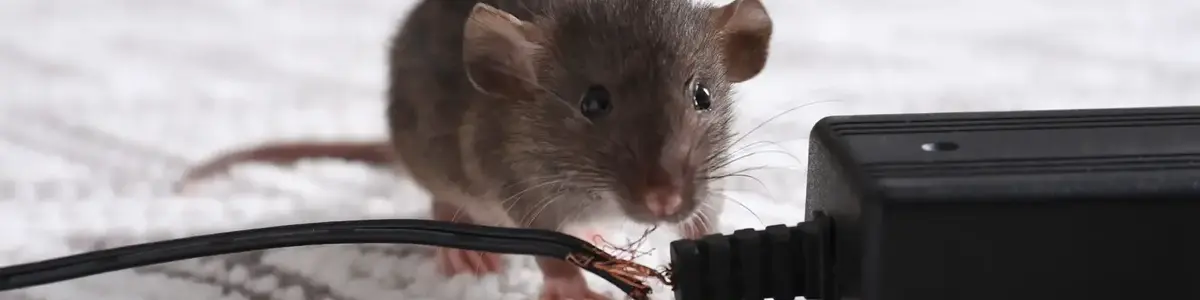
Rodents gnaw constantly to keep their teeth short. Look for chewed doors, plastic pipes, food packaging and electrical cables. Damaged wiring is the most serious risk, because exposed cables can cause short circuits and fires inside homes, sheds and farm buildings.
Noises, Nests and Runways
Scratching in ceilings or walls at night is a classic sign. You may also find nests made of shredded paper, cloth or palm fibre, and greasy dark marks along walls where rodents travel the same route every night. Those runways show where treatment should focus.
Health and Property Risks
Rats and mice contaminate food and surfaces with droppings and urine, and they can spread diseases such as salmonellosis and leptospirosis. For families with children, food businesses and farms storing produce, that contamination risk is reason enough to act quickly.

Property damage adds up too. Rodents chew insulation, irrigation pipes, stored sacks and vehicle wiring. On farms, losses in stored grain and fodder can be significant, while in homes the repair bill for damaged cables and furniture often exceeds the cost of early treatment.
How Professional Rodent Control in Barka Works
Effective rodent control isn’t just poison. A professional plan combines inspection, the right tools for the site, sealing of entry points and follow up checks. That combination solves today’s problem and makes it much harder for new rodents to move in later.
Step 1. Inspection and Mapping
The technician checks roofs, store rooms, kitchens, drains, palm trees, animal pens and boundary walls. Droppings, runways and burrows are mapped so the team knows which species is present, where it nests and how it’s getting into the building.

Step 2. Bait Stations and Traps
Tamper resistant bait stations are placed along runways outside and around the property, away from children, pets and livestock. Inside homes and food areas, traps are often preferred, since they avoid rodents dying inside walls and causing odours. The choice depends on the site.
Step 3. Exclusion and Rodent Proofing
This is the step many quick services skip. Gaps around pipes, cables, roof edges and door bottoms get sealed with suitable materials. Without exclusion, rodents from nearby farms simply replace the ones removed, and the problem returns within weeks.
Step 4. Monitoring and Follow Up
Follow up visits check bait consumption, trap results and new activity. Stations are refilled or moved as needed. For farms and commercial sites, a written record of each visit also helps with food safety checks and keeps the programme accountable.
Farm Rodent Control Versus Home Rodent Control
Farms and Livestock Areas
Farms need a perimeter approach. Bait stations along boundaries, feed stores and water points intercept rodents before they reach buildings. Feed should be kept in sealed containers, spilled grain cleaned daily, and palm crowns checked for nests. Placement must keep bait away from livestock.
Villas, Homes and Shops
Homes need a careful indoor plan. Kitchens, store rooms, ceilings and garages get checked, while gardens and roofs are inspected for entry routes. Shops and restaurants also need clean waste areas and regular monitoring, because a single sighting can damage customer trust quickly.
Our rodent control service covers both farm and home settings in Barka and nearby wilayats, with every plan adjusted to the site, the species present and the level of activity found during the first inspection.
Prevention Tips for Barka Properties
Prevention keeps rodent numbers down between visits. These steps cost little and work well alongside professional treatment, especially on properties close to farmland, markets or the coast where rodent pressure stays high throughout the year.
- Store grain, feed and dry food in sealed containers
- Clean spilled feed and fallen dates every day
- Keep bins closed and away from house walls
- Trim palm fronds touching roofs or walls
- Seal gaps around pipes, cables and doors
- Clear clutter from store rooms and roofs
Mistakes That Make Rodent Problems Worse
Scattering loose poison is the most dangerous mistake. Children, pets and livestock can reach it, and rodents may carry it into hidden places. Poisoned rodents dying inside walls also create strong odours. Bait should always sit inside secured stations placed by a trained and accountable technician.
Another common mistake is stopping after the first sign of success. Rodents breed quickly, and a few survivors rebuild the population fast. Completing follow up visits and sealing entry points are what turn a short break into lasting control.
An Example From a Barka Farmhouse
Picture a farmhouse near the date palms where the family hears scratching above the kitchen ceiling every night. Feed sacks in the store room have holes, and droppings appear near the water tank. Store bought poison was scattered, yet the noise continues.
A sensible plan starts by removing loose poison and inspecting the roof, palms and store room. Bait stations go along the boundary and feed store, traps go inside, and roof gaps beside the palm get sealed. Follow up visits confirm activity is falling.
Why Barka Customers Choose World FPC
World FPC has worked across Al Batinah South, Al Batinah North, Muscat Governorate and Al Buraimi for over five years. We understand how farmland, palms and coastal homes in Barka affect rodent behaviour, and we plan treatment around that.
Before booking, you can check World FPC on Google Maps, where our Sohar address, opening hours and customer reviews are listed. Our team travels from Sohar to cover Barka and the rest of Al Batinah South for farm, home and shop visits.
We explain each step before we start, place bait safely away from children and animals, and follow up until activity drops. After treatment, our house cleaning team can also clean and sanitise areas affected by droppings and nesting material.
For broader pest problems across the region, our guide to the best pest control service in Al Batinah covers cockroaches, termites, bed bugs and other common pests we treat in Barka and the nearby wilayats.
Frequently Asked Questions
How do I know if I have rats or mice?
Check the droppings. Rat droppings are larger, about the size of a date stone, while mouse droppings look like rice grains. Rats usually leave bigger gnaw marks and burrows outside, while mice tend to stay hidden inside cupboards, walls and stored goods.
How long does rodent control take?
Light activity in a home may settle within one to two weeks of treatment and follow up. Farms and properties with heavy activity often need several visits over a few weeks. Your technician will explain the expected timeline after the first inspection.
Is rodent bait safe around children and livestock?
Bait should always be placed inside tamper resistant stations and positioned away from children, pets and animals. Inside homes and food areas, traps are often a better choice. Tell us about children and livestock when you book so we can plan placement carefully.
Why do rodents keep coming back after treatment?
Usually because entry points were never sealed or food sources remain open. Rodents from nearby farms simply move in again. Combining treatment with rodent proofing, clean feed storage and regular monitoring is what keeps them out over the long term.
Do you offer rodent control contracts for farms?
Yes. Farms and commercial properties often benefit from scheduled visits with bait station monitoring and written reports. We’ll suggest a visit frequency after inspecting your site, based on the size of the property and the level of rodent activity found.
Do you also handle snakes on farms?
Rodents attract snakes, so the two problems often appear together on Barka farms. Never try to handle a snake yourself. Our snake service can help with safe removal and advice on reducing the conditions that draw snakes near homes.
Book Rodent Control in Barka
If you’re hearing scratching at night, finding droppings or seeing damaged sacks and cables, act before the population grows. Send us a photo of the droppings or damage and your location in Barka on WhatsApp, and we’ll advise on next steps.
Call or WhatsApp World FPC on +968 7739 9755, or request a quote through our free quote form. Tell us whether it’s a farm, home or shop, and our team will arrange an inspection at a suitable time.
2 Responses